
Then. NOW. Next.
Before It Was City Hall, Springfield Went There for the Mail
A downtown errand sends Kevin Bedwell looking for the story behind an old courtroom door.
I don’t have much of a personal history with City Hall. When I think about that part of town, I think about paying my property taxes and getting caught up on my vehicle registration. Long lines, the occasional cranky clerk, and the one thing I can count on: a bill.
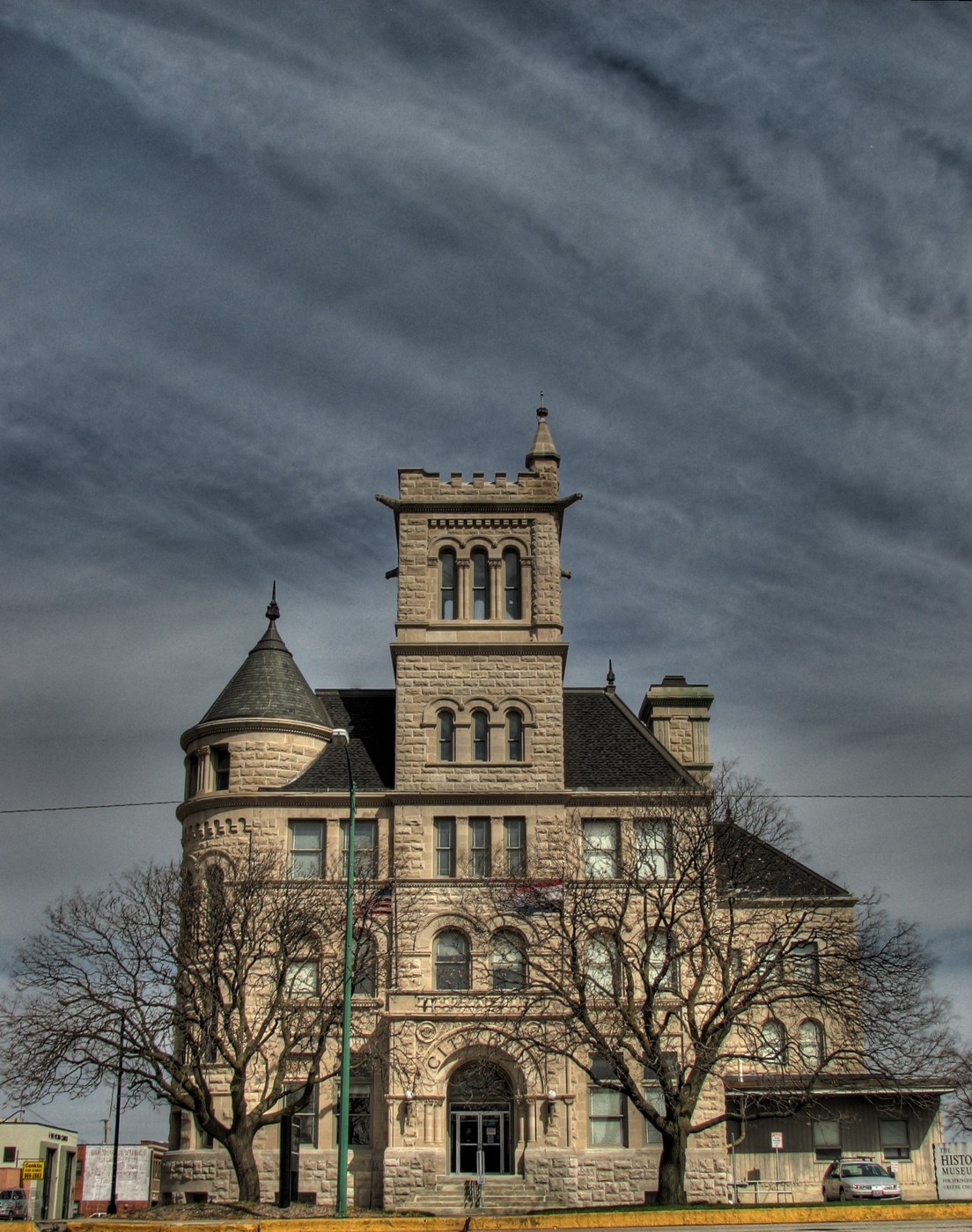
But I do have a question about City Hall. Why is it right there?
The building Springfield is renovating at Boonville and Chestnut opened in 1894. If you’d walked in then, you could have mailed a letter downstairs. Upstairs, a federal judge heard cases in the room that became the City Council chamber. The city came along much later. The people who had to pick that spot in the first place were trying to find a home for the post office. National Register record · City Hall’s history
Division Street gives you some idea of what they were up against. It once marked the boundary between two towns. Springfield had the historic public square. North Springfield had Commercial Street, the railroad depot, and a monthly pay car that kept its merchants in business. When Springfield proposed taking in its neighbor in 1874, North Springfield voted 72 to 1 against it. According to a local directory published four years later, the man who cast the lone yes vote did it as a joke. Division Street’s history · The 1878 directory
There’s another divide a little farther north. Near Commercial and Washington, the U.S. Geological Survey put an old railroad-shop well on the crest of a ridge. Rain running off one side heads toward the Sac and eventually the Missouri River. On the other side it heads toward the James and the White. You can cross an old town line and a watershed divide in the same walk up from the historic public square. U.S. Geological Survey, Underground Waters of Missouri, p. 132
The towns finally voted to merge in 1887. That gave Springfield one city government, but people still had two different places in mind when they said they were going downtown. The post office on Boonville gave both sides somewhere to go for their mail. When Greene County needed a larger courthouse, the judges chose a site nearby. It opened in 1912, and the city ran its offices from the third floor. Greene County Courthouse history
In 1937, the federal offices moved into a new building just north. Springfield bought the one they left behind. On October 10, 1938, the City Council held its first meeting in the old federal courtroom. Council members would come in through the door that once led to the judge’s chambers. The first council meeting · The courtroom doorway
During an early renovation tour, council members could see hardwood where the old green carpet had been. The plans call for restoring columns and ceilings that earlier work covered up, adding an accessible entrance and elevator, and putting a ramp in the council chamber. Of all those details, the one I’d like to see when it reopens is that judge’s door. For once, I have a reason to go over there that doesn’t involve a bill. KSMU’s account of the tour · Renovation plans